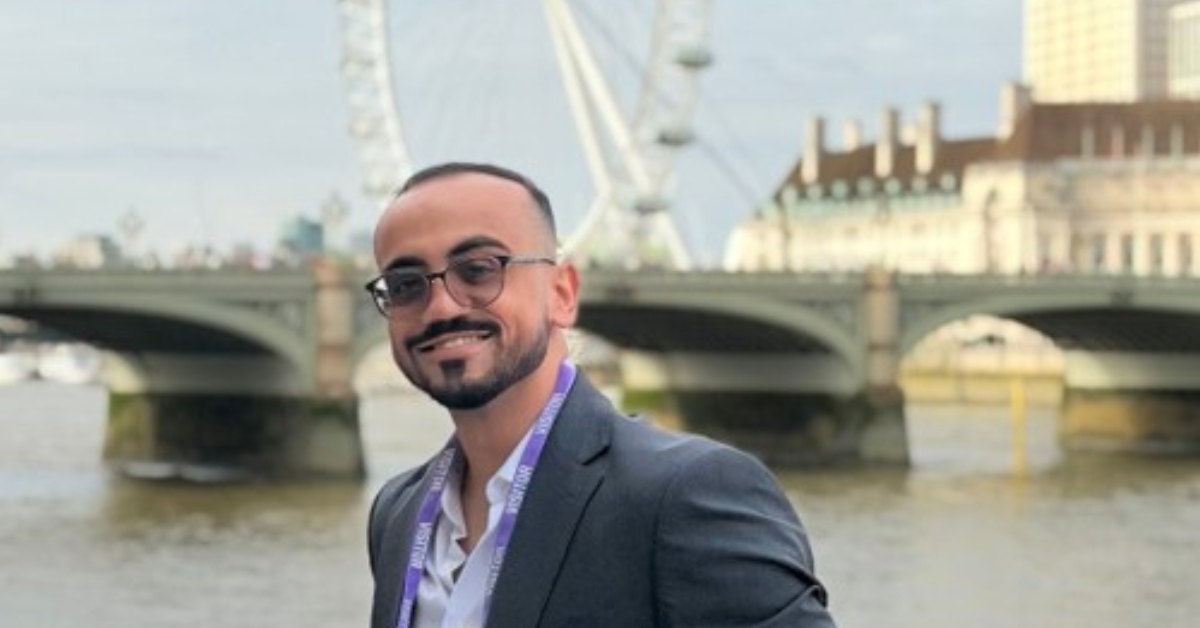
Supported by the Bseisu Foundation, Chevening scholar Abdallah Ramadan is using his year in the UK to explore how data science and artificial intelligence can strengthen healthcare systems, while continuing to support students affected by the conflict in Gaza.
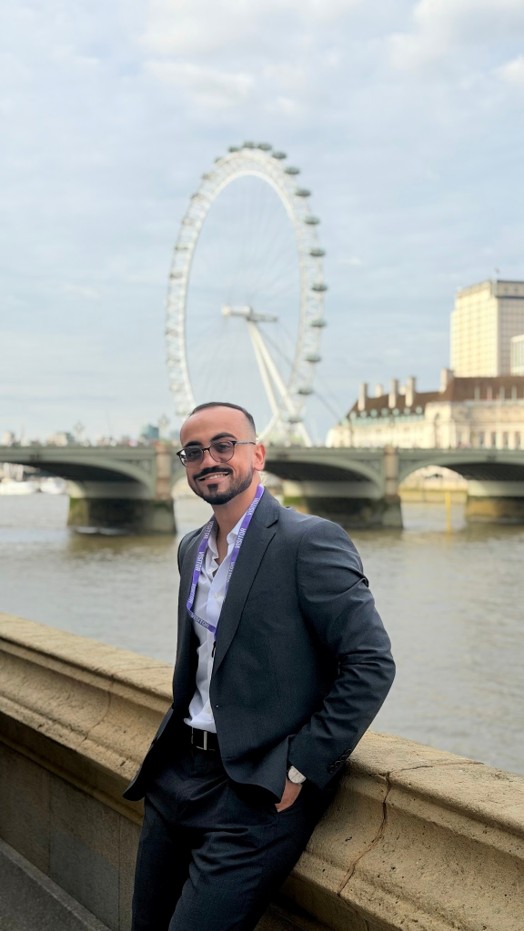
A doctor by background, Abdallah is studying data science and artificial intelligence at Queen Mary University of London, where he is exploring the intersection of medicine, technology and public policy. His studies are focused on understanding how data and AI can help healthcare professionals recognise patterns across communities, anticipate needs and make better-informed decisions.
Exploring AI and its role in healthcare
Through his studies in data science and AI, Abdallah has developed an interest not only in what technology can achieve, but also in how it should be used responsibly.
His dissertation, which explores how AI could contribute to understanding mental health, has reinforced the importance of questioning models, testing their reliability and communicating uncertainty, particularly when working with complex human experiences.
For Abdallah, this is an essential part of responsible AI in healthcare, where incomplete or unrepresentative data can influence who is diagnosed, treated or overlooked.
Alongside his studies, his work with the Palestinian Neuroscience Initiative has helped keep his academic learning connected to real research questions and the communities he hopes to serve.
A network with purpose
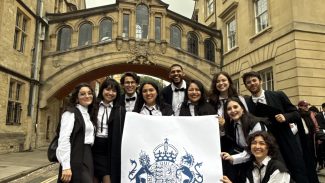
The Chevening network has also played an important role in Abdallah’s experience in the UK. From supporting advocacy efforts to creating opportunities for international collaboration, the network has demonstrated the value of bringing people from different countries and disciplines together around shared challenges.
‘A network is not a room full of name badges. At its best, it is people choosing to act when another person’s future is at risk.’
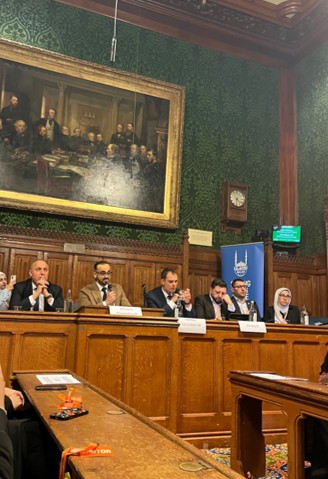
The support of the Bseisu Foundation has been equally significant. Beyond providing financial support, the Foundation has enabled Abdallah to immerse himself in a new STEM field while continuing his work supporting students affected by the conflict in Gaza. Through the Foundation, he has also been able to return to the UK Parliament and continue raising the concerns of students in Gaza with policymakers and others involved in decision-making.
‘A scholarship can change one life, but its deeper value appears when that life begins opening doors for others.’
Applying AI to future health systems
Looking ahead, Abdallah hopes to develop responsible AI applications for health systems in Palestine and other conflict-affected settings, particularly in mental health, public health surveillance and resource allocation.
He also hopes to help strengthen Palestinian expertise in data science, build lasting partnerships with UK institutions and ensure that Palestinians are not only represented in the data, but are among those designing the systems that shape their lives.
For Abdallah, his Chevening year has been an opportunity to build new skills and connections while continuing his commitment to making opportunities more accessible to others.

Find out more about our partners!