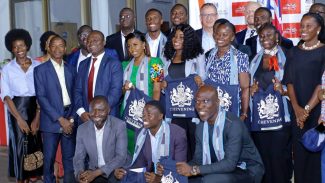
Building a community that gives back: the Ivorian Chevening Alumni Association
The Ivorian Chevening Association (ICA) are turning their network into a source of support, opportunity, and impact while building connections across West Africa.

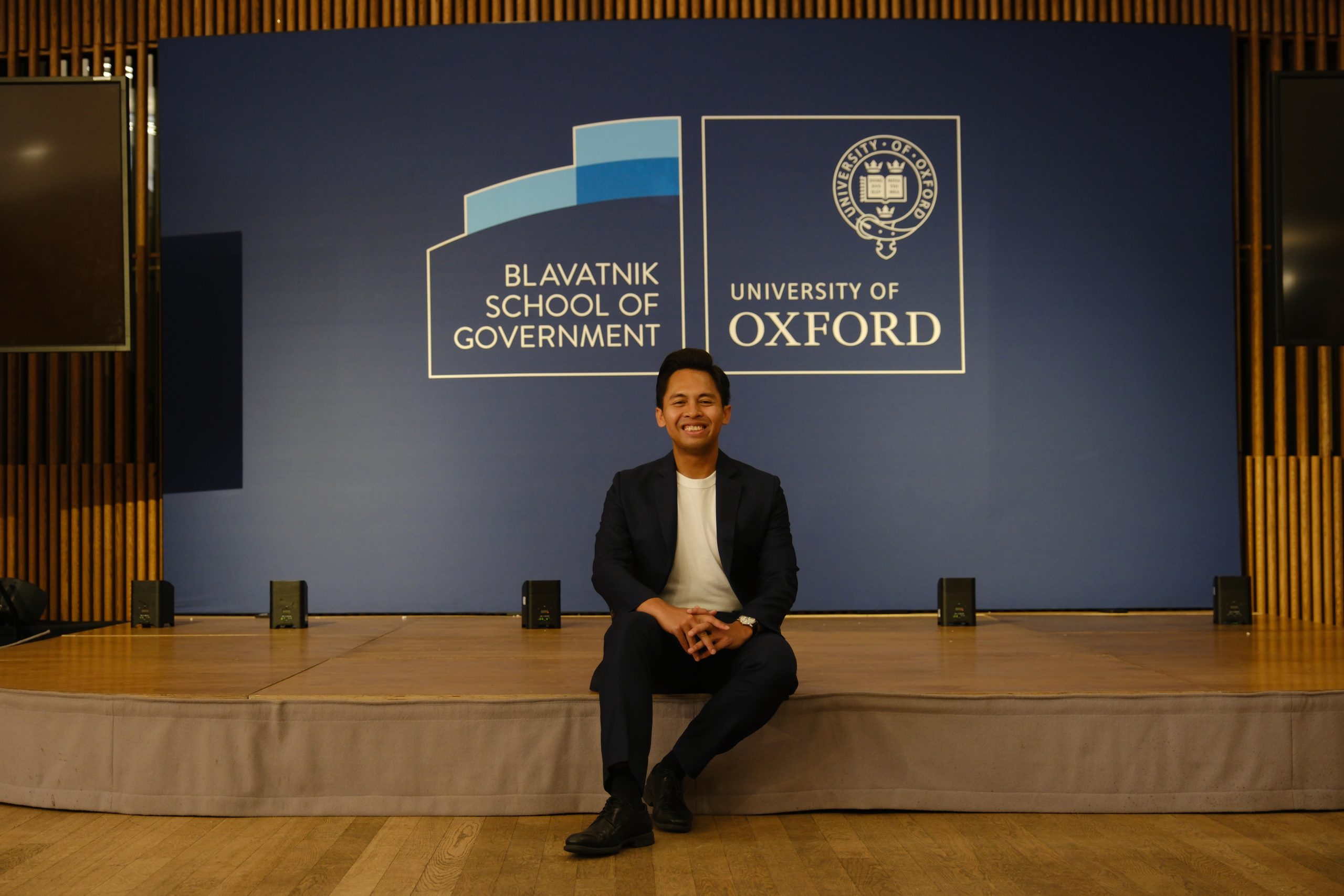
Singapore’s first ASEAN-Chevening Scholar, Danial Hakim, reflects on his Oxford experience, regional cooperation and his hopes for the future of public service in Singapore and ASEAN.
Singapore’s first ASEAN-Chevening Scholar is drawing on Oxford’s global classroom to exchange ideas on governance, resilience, and regional cooperation.
Before receiving the ASEAN-Chevening Scholarship, Danial Hakim worked in Singapore’s public service across labour, justice, and socio-economic policy portfolios. In his personal capacity back home, he has also led community initiatives focused on youth development, social mobility, and access to justice.
Across these roles, one of the questions that has shaped his work was how can governments respond to complex challenges while retaining public trust, strengthening communities, and remaining open to cooperation?
For Danial, ASEAN is one of the central solutions to that question. Singapore’s prosperity and security are closely connected to the region, while challenges ranging from economic resilience to technological change cannot be addressed by any country acting alone.
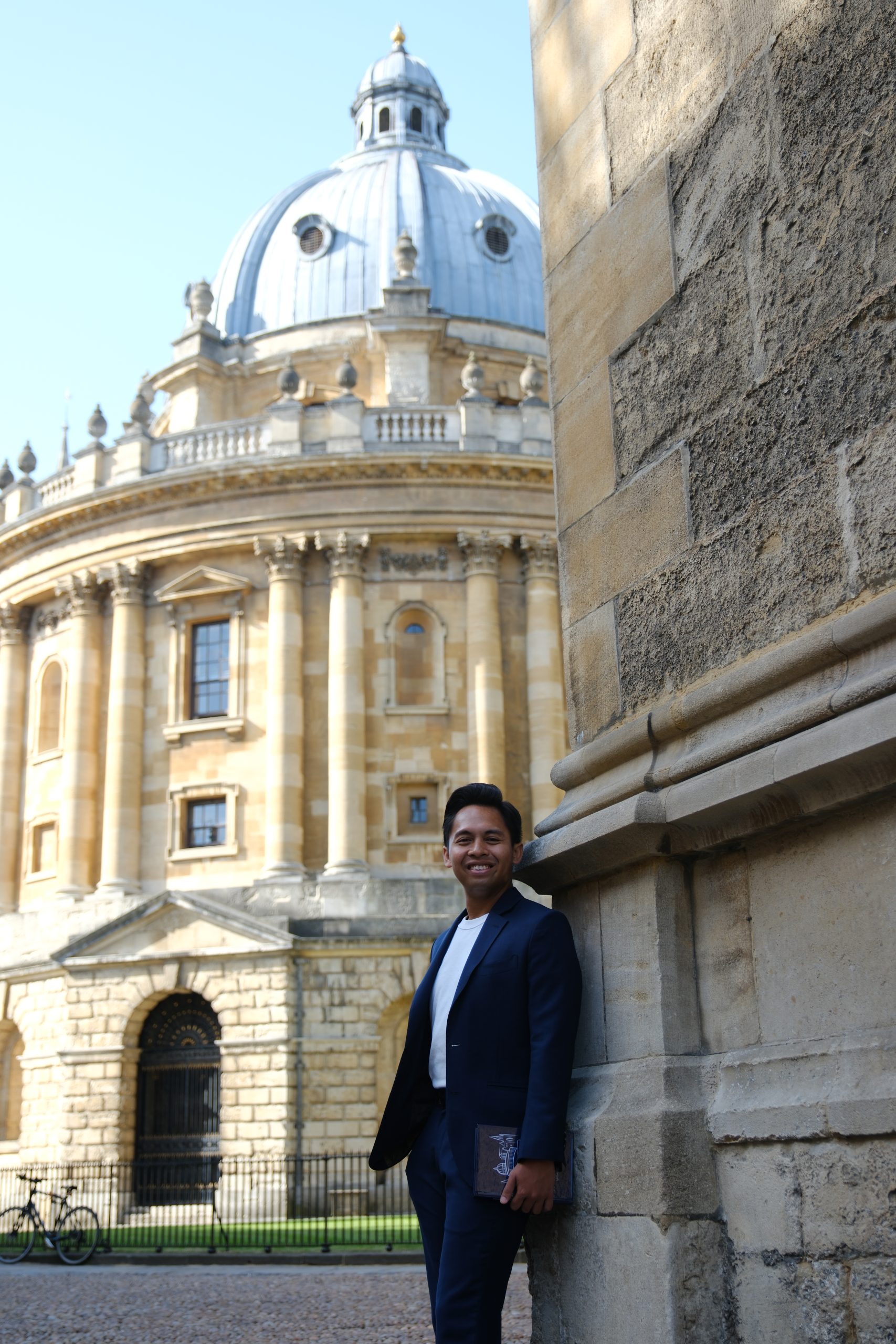
Danial chose to pursue a Master of Public Policy (MPP) at the University of Oxford’s Blavatnik School of Government for its academic breadth and international environment.
‘I chose Oxford’s MPP not only for the educational rigour needed to deepen my understanding of public policy, but also for its exceptionally diverse cohort, with colleagues from more than 60 countries. Such diversity created opportunities for peer learning, as well as building networks among people committed to public service.’
The UK offered a valuable setting in which to examine how established institutions adapt to new social, economic, and geopolitical realities, and Chevening made this path possible.
‘As Singapore’s first ASEAN-Chevening Scholar, I have also had the privilege of representing my country within my course and Oxford’s wider postgraduate community.’
Beyond the classroom, Danial has connected academic learning with international policy discussions.
One highlight was participating in the fifth ASEAN-UK Senior Officials’ Meeting at Wilton Park, where he joined the closing panel alongside fellow ASEAN-Chevening Scholars. He shared reflections on ASEAN-UK relations and argued that openness and resilience should be treated as complementary, rather than competing, goals.
The experience allowed him to engage with policymakers, diplomats, academics, and scholars working across sustainability, entrepreneurship, geopolitics, and public policy.
Oxford’s MPP is a taught degree rather than a research-based programme. Its value, for Danial, lies in showing how economics, philosophy, law, and other disciplines intersect with public policy.
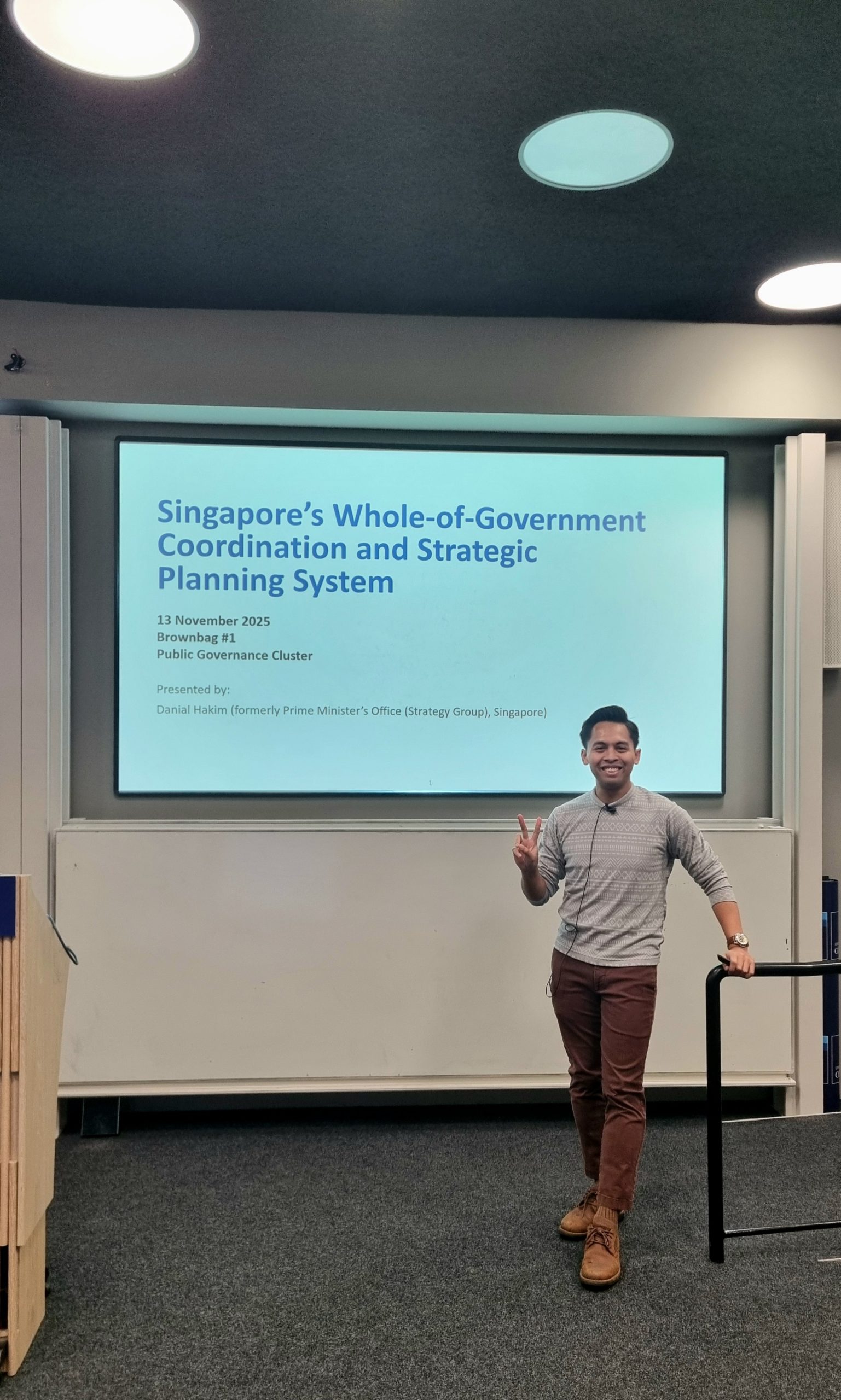
He also launched a student-led Public Governance Cluster at Oxford, creating a platform for classmates with government or public sector experience to exchange practical insights from fields including housing, policing, diplomacy, economic analysis, and public administration.
‘These conversations have shown me that policy ideas rarely travel perfectly from one context to another. The task is to understand why an approach worked, adapt it thoughtfully, and identify what is relevant for Singapore and ASEAN.’
Studying alongside people from around the world has helped Danial see more clearly what is distinctive about ASEAN.
‘In a more turbulent geopolitical environment, ASEAN’s history of cooperation and respect for different national perspectives will remain an important source of strength.’
Principles in the ASEAN Charter – including sovereignty, non-interference, and peaceful dispute resolution – offer a foundation for navigating competition while preserving regional stability. Danial also believes ASEAN can learn from the UK’s experience in connecting research with policymaking, building strong institutions, and sustaining international partnerships.
Danial hopes to return home with broader perspectives and a renewed commitment to public service.
‘My hope is that Chevening continues to give others the opportunity to widen their horizons beyond the experiences they already have. Such exchanges can strengthen bonds within and between our countries, while inspiring scholars to contribute more deeply when they return home.’
For Danial, the Chevening experience has reinforced a simple conviction: lasting progress is built when people from different backgrounds listen, learn together, and unite around a shared purpose.
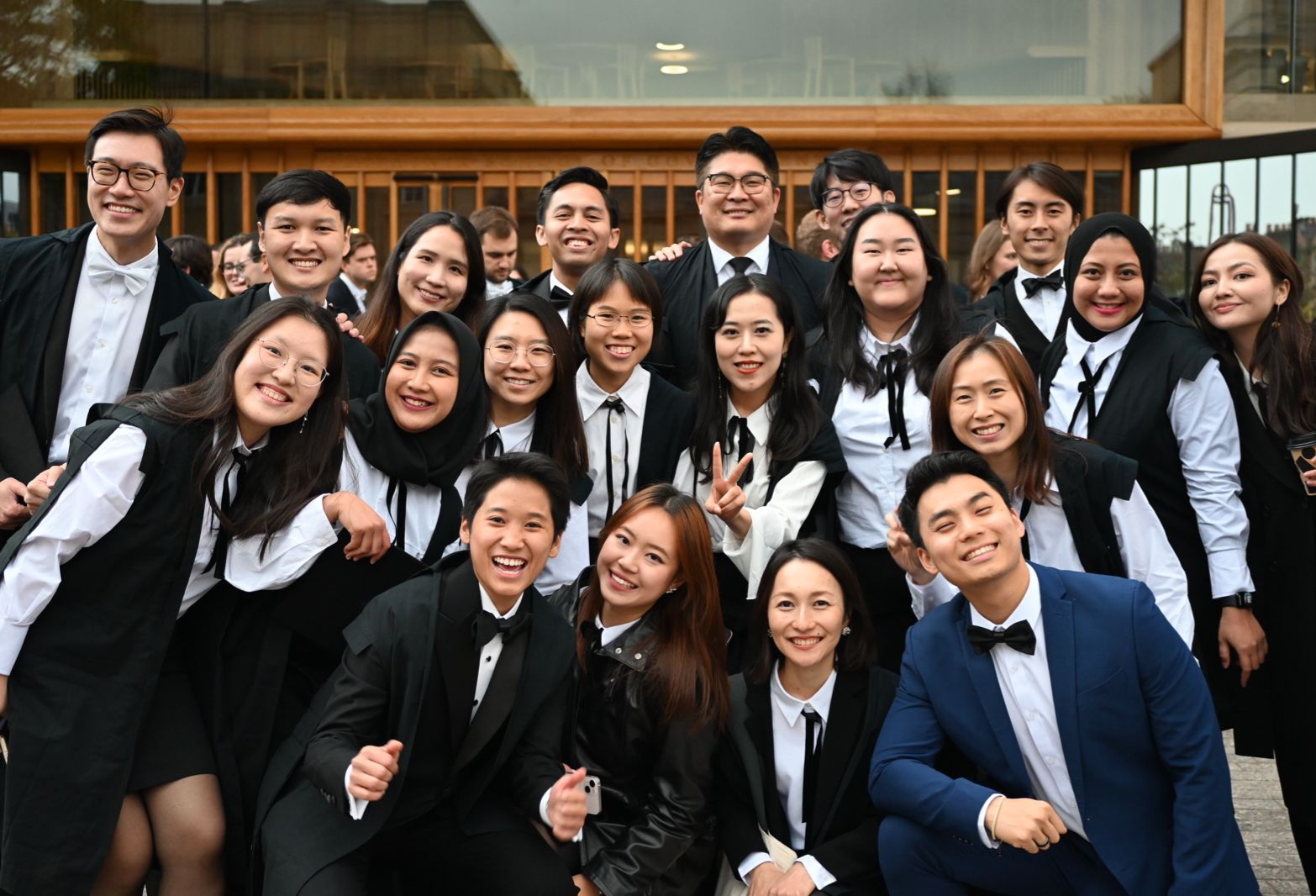
The Ivorian Chevening Association (ICA) are turning their network into a source of support, opportunity, and impact while building connections across West Africa.
For Shuai Wang, the value of her Chevening Fellowship was not simply advancing her research. It was in having the time and space to step back and see it differently.
Discover how Chevening scholar Abdallah Ramadan is exploring AI and data science to build stronger, more responsible healthcare systems.