From a Chevening idea to an urban restoration movement
Discover how Chevening alumnus Ronny Mutua turned an idea into Miti Mitaani, creating green jobs, planting 28,000+ trees and restoring Nairobi’s urban spaces.
Discover how Chevening alumni in Nigeria are empowering women entrepreneurs through skills development, procurement opportunities and gender-responsive policy change, supported by the Chevening Alumni Programme Fund (CAPF).
Across Nigeria, women-owned businesses face significant barriers to accessing public and private procurement markets. Limited access to finance, complex bidding requirements, digital skills gaps, and institutional barriers can prevent women entrepreneurs from completing for contracts and growing their business.
In Kano and Rivers States, the Chevening Alumni Association of Nigeria (CAAN), working with DO Take Action, set out to address these challenges through the Strengthening Women’s Empowerment through Affirmative Procurement (SWEEAP) project. The initiative aimed not only to equip women entrepreneurs with the skills and confidence to compete for procurement opportunities, but also to influence the policies and institutions that shape access to these markets.
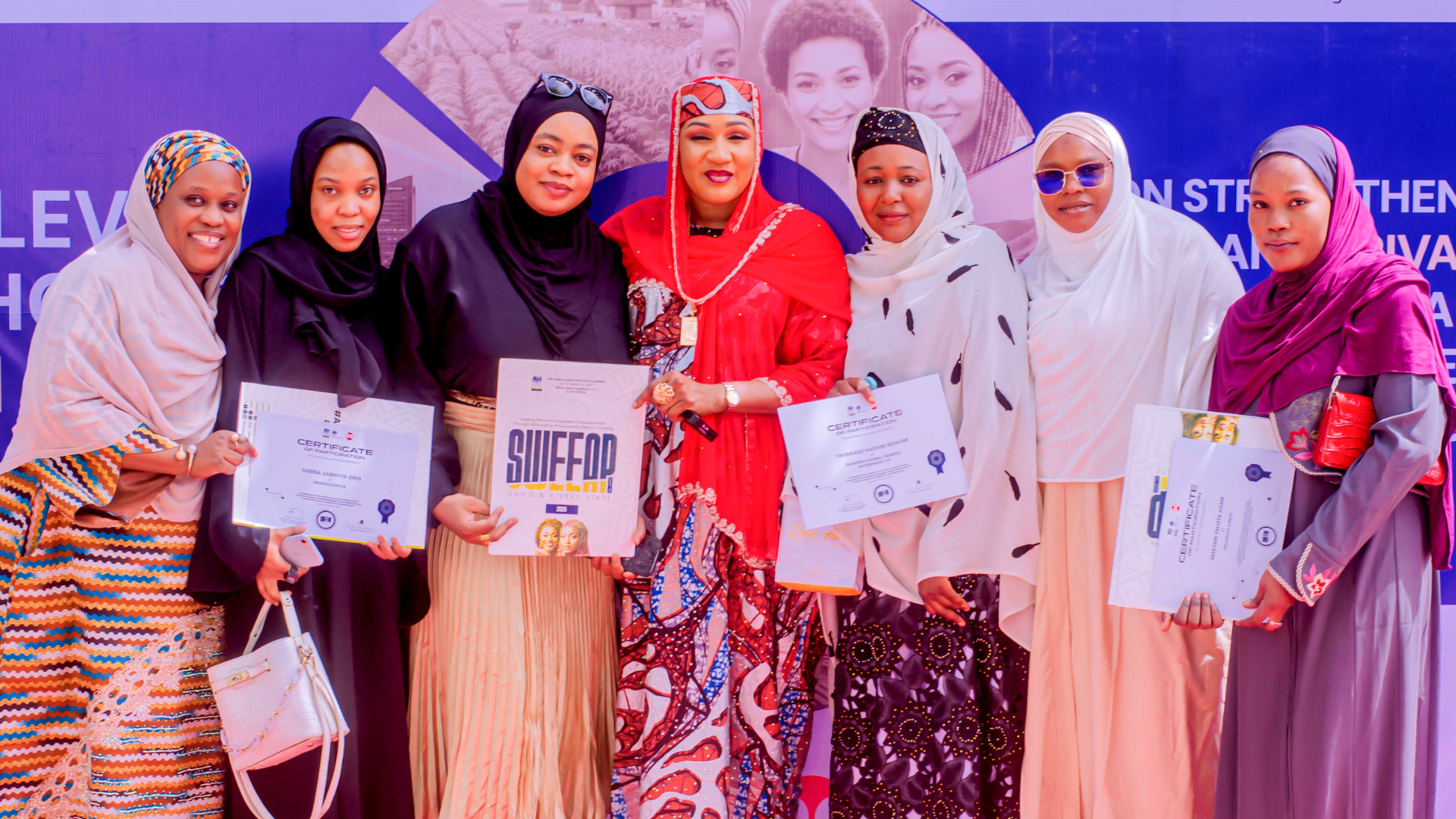
Delivered across two cohorts between August and December 2025, SWEEAP combined virtual training, self-paced online learning, and practical bidding exercises to make participation accessible to women with different business backgrounds and levels of experience.
The programme trained 691 women entrepreneurs across Kano and Rivers States, exceeding its initial target of 600. With an overall completion rate of 88%, participants developed practical skills across four areas: procurement access, financial inclusion, digital skills, and export readiness.
The training focused on helping women-owned and women-led businesses (WOLBs) understand procurement processes, strengthen their financial and digital capabilities, and prepare the documentation needed for contracts.
During the procurement programme, three participants secured procurement contracts values between ₦2.2 million and ₦6.3 million, demonstrating how improved procurement readiness can translate into tangible business opportunities. Participants also showed increased engagement with procurement markets, with 87.7% of graduates from the first cohort submitting give or more bids.
For participants such as Hauwa’u Yusuf Chedi, founder of H Y Che General Enterprise, the programme also helped strengthen digital business capabilities. After developing her content creation and social media skills through the training, she reported a 30% increase in website traffic within one month.
Alongside supporting individual businesses, SWEEAP sought to address the institutional barriers that have historically limited women’s participation in procurement.
Working with government ministries, procurement authorities, chamber of commerce, and other stakeholders, the project advocated for gender-responsive procurement policies, including affirmative procurement quotas that would reserve a proportion of public contracts for women-owned businesses.
In Rivers State, this work secured a commitment from the Rivers State Bureau of Public Procurement (RSBOPP) to adopt a 30% affirmative procurement set-aside for women-owned and women-led businesses. The Bureau also modified its contractor registration portal to capture gender-disaggregated data, helping to establish a stronger evidence base for monitoring women’s participation in public procurement.
In Kano State, the government is reviewing its 2021 Public Procurement Law, with a draft Gender-Responsive Procurement Policy at an advanced stage of development. A proposed affirmative procurement framework represents an important step towards embedding more inclusive practices within the state’s procurement system.
Together, the progress in both states demonstrates how the project moved beyond individual capacity building to engage the institutions responsible for creating and regulating economic opportunities.
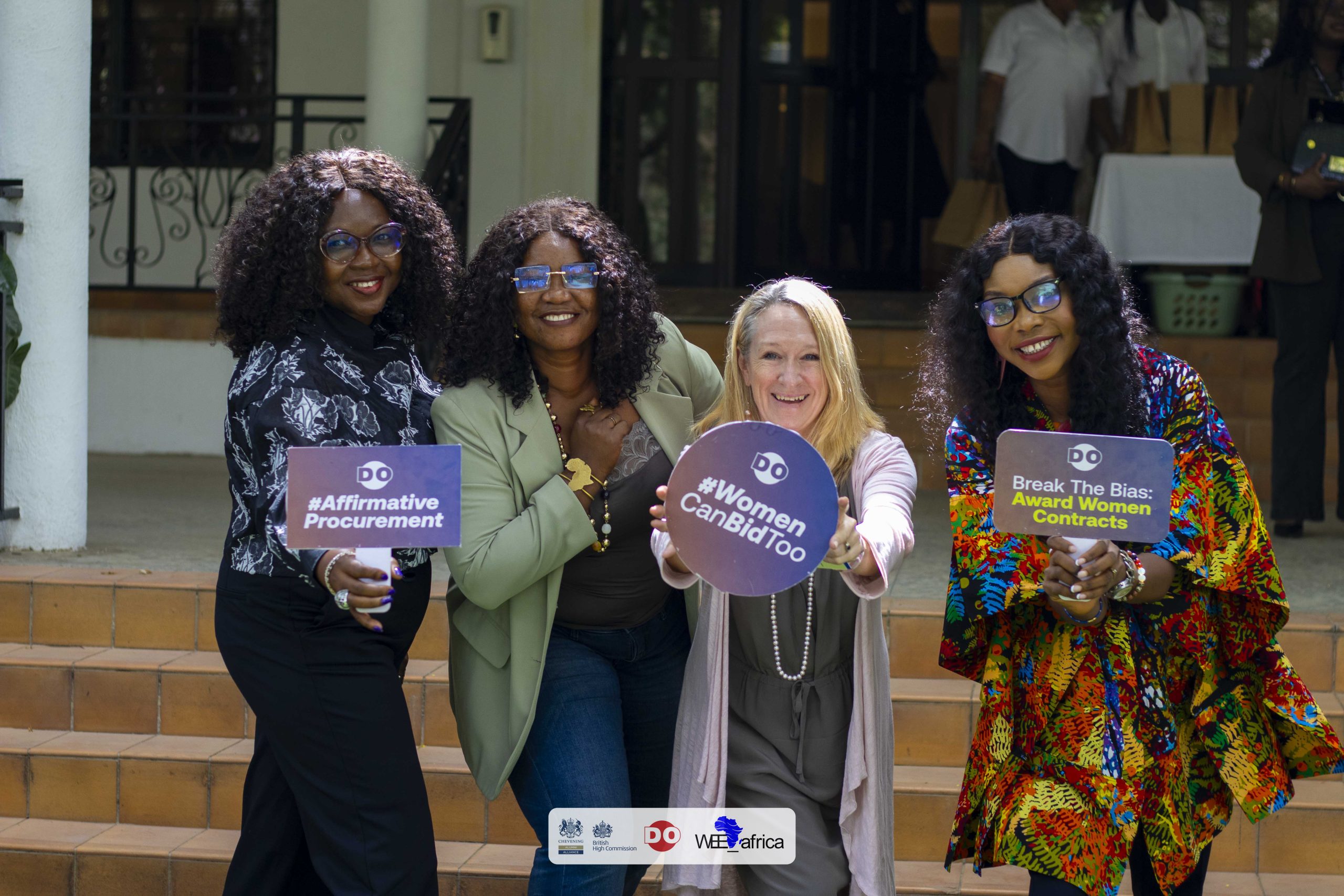
Recognising that sustainable change requires more than a single training programme, SWEEAP also invested in building the capacity of organisations and individuals who can continue promoting gender-responsive procurement.
Through Train-the-Trainer workshops, 259 participants across Kano and Rivers States were equipped to replicate the programme’s learning within their own institutions and professional networks. A further 416 stakeholders participated in high-level forums, bringing together government officials, private sector representatives, academics, civil society organisations, and development partners to discuss more inclusive procurement practices.
National outlets helped amplify its advocacy messages, contributing to an estimated media reach of 21.35 million people. Content led by Chevening alumna and DO Take Action CEO Precious Ebere Chinonso-Obi generated a further 115,000 influences views.
“Our goal is to move women from being participants in economic programmes to becoming active contributors to economic growth, with the capacity to access opportunities and build sustainable businesses at scale.” – Precious Chimdimma Ebere, Country Director at DO (…Take Action) and Chevening alumna.
SWEEAP demonstrates how Chevening alumni can use their professional expertise, networks, and leadership to address structural barriers to economic participation.
Through bringing together women entrepreneurs, government institutions, private sector organisations, and civil society, the project has helped create opportunities for women-owned businesses while advancing policy discussions on more inclusive procurement systems.
With 691 women trained, procurement contracts secured, and significant policy commitments advanced in two states, the initiative has established a foundation for further change.
Looking ahead, continued implementation of the procurement reforms, alongside mentoring, peer networks, and further business development support, will be important in sustaining progress.
Through SWEEAP, Chevening alumni are helping to ensure that women entrepreneurs in Nigeria have not only the skills to compete, bus also a stronger voice in shaping the systems and opportunities that will determine their businesses’ future.
Discover how Chevening alumnus Ronny Mutua turned an idea into Miti Mitaani, creating green jobs, planting 28,000+ trees and restoring Nairobi’s urban spaces.

Discover how Chevening alumnus Mohammad Naciri’s time at Oxford shaped his international career advancing gender equality and women’s rights as Chief of Staff at UN Women.
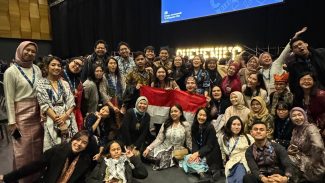
Discover how the Chevening Alumni Association of Indonesia is connecting 2,000 alumni to create opportunities, support communities and drive impact.