
Using technology to strengthen healthcare through Chevening
Discover how Chevening scholar Abdallah Ramadan is exploring AI and data science to build stronger, more responsible healthcare systems.

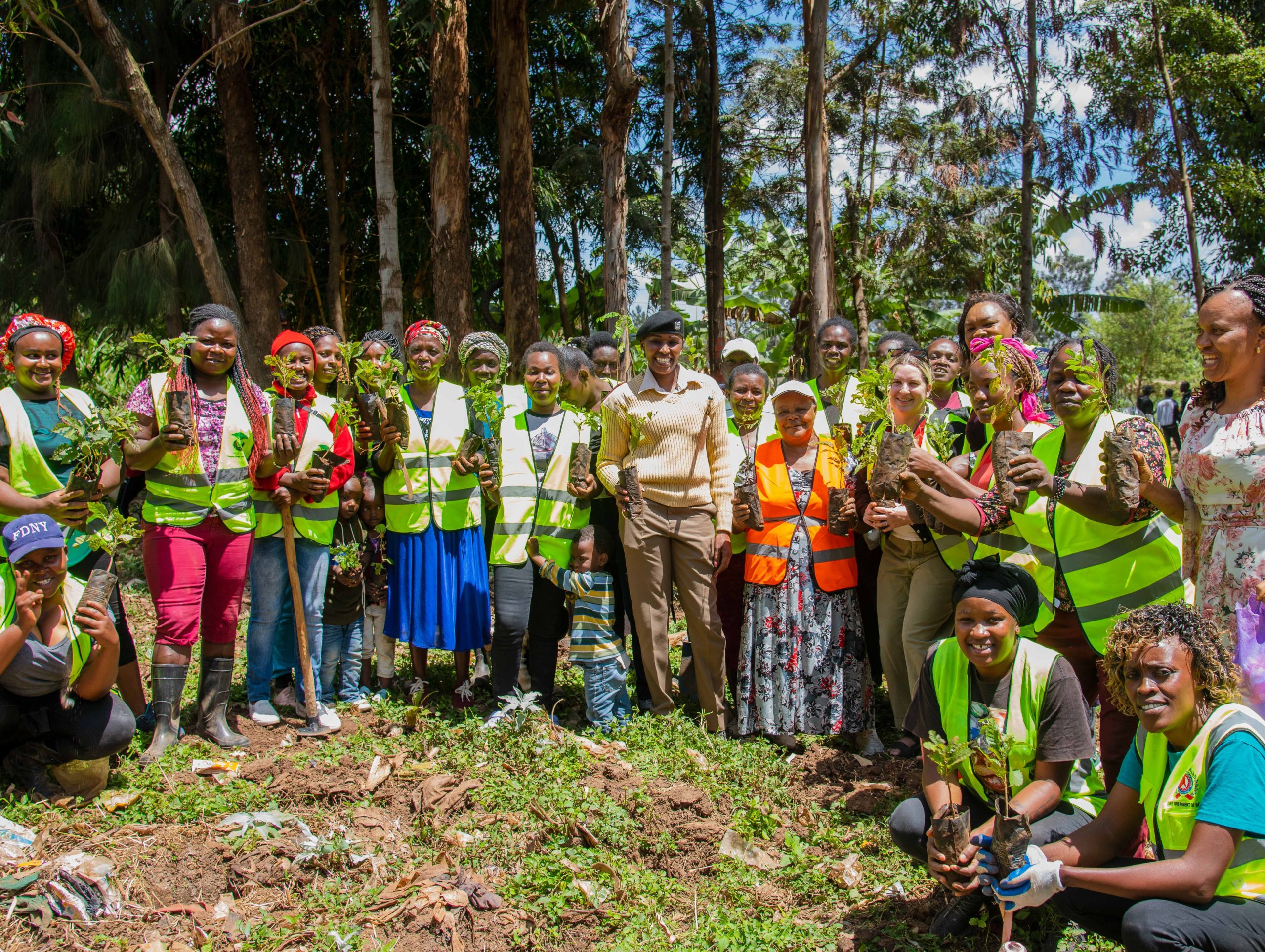
Discover how Chevening alumnus Ronny Mutua turned an idea into Miti Mitaani, creating green jobs, planting 28,000+ trees and restoring Nairobi’s urban spaces.
Growing up in Nairobi, Chevening alumnus Ronny Mutua realised that the city’s national park and innovation ecosystem was facing rapid loss of green spaces, high youth unemployment, and deep income inequality.
‘I’ve had a front-row seat to increasing deforestation and high youth unemployment rates, so we set out to address these issues by creating a trees-for-cash social enterprise.’
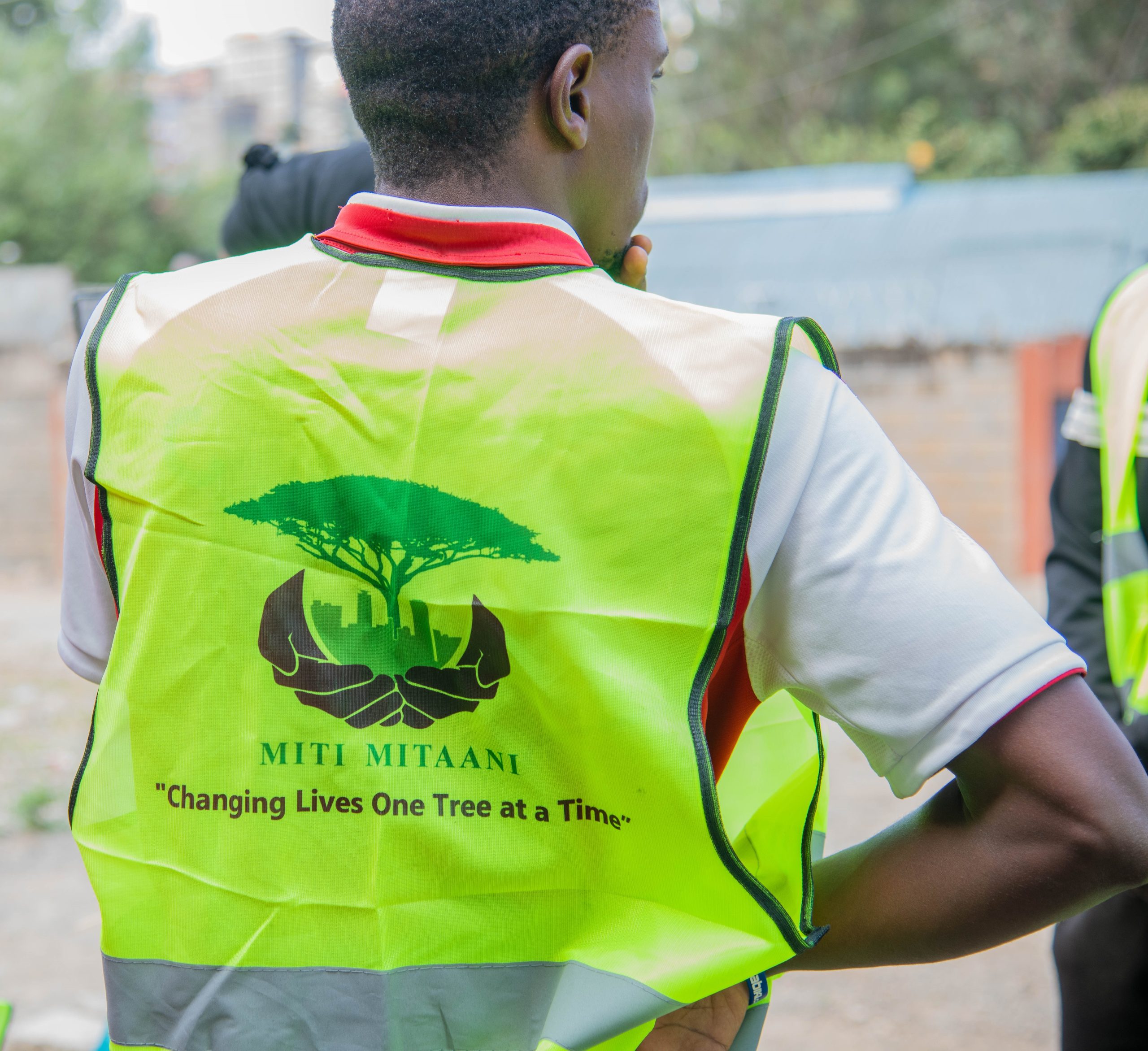
In August 2022, he founded Miti Mitaani (trees in our neighbourhoods in Kiswahili), paying young people and women, known as ‘treepreneurs’, for every tree they plant and for each month that the tree survives.
The social enterprise deliberately works in low-income neighbourhoods, where unemployment is higher and tree cover is lower than in more affluent parts of Nairobi. The model connects environmental restoration with livelihoods, while creating wider opportunities for communities to invest in education, healthcare, and businesses.
For Ronny, Chevening was an important catalyst in turning an idea into action.
‘My one-year master’s degree funded via Chevening honed my ability to quickly move from an idea to implementation… It gave me the tools to visualise, design, resource, and implement development projects.
They still have the A3-sized sheet of paper on which they sketched what Miti Mitaani could look like.
‘I’m really humbled to have seen that sketch translate to 28,000+ trees planted, 480 youth and women hired, 2.4 million KES distributed, and an average tree survival rate of 97%.’

Behind the numbers are hundreds of individual stories. One that remains particularly meaningful to Ronny is that of Ephantus, one of Miti Mitaani’s treepreneurs.
Before Miti Mitaani established a restoration site in his community, Ephantus had struggled to find steady income and had become caught up in drug use.
‘After two rounds of tree stewardship, he had reformed his life.’
Miti Mitanni treepreneurs can earn an additional US$40.80 per month on average, increasing household income by around 50%. For Ephantus, the predictability of that income was transformative.
When Ronny spoke to him in late 2024, Ephantus was looking ahead to the new year, planning how he would pay his children’s school fees if he could keep all his trees alive.
The influence of Chevening has continued long after Ronny returned home.
Some Miti Mitaani restoration sites are located on public land, making government support essential.
‘Before we establish a new forest or restore an existing one, we need to secure government buy-in. Referrals from the Chevening network have come in handy.’
The network has also helped address another challenge faced by many early-stage social enterprises: communicating their impact.
‘I benefited from some guidance from a communications professional within the Chevening network. We ended up setting up a regular blog, expanding the reach of our social channels, and putting out our first video documentary.’
After four years of testing and learning, Miti Mitaani has developed a low-cost, low-touch model that Ronny believes could help address two of Africa’s major challenges at once: inadequate urban green infrastructure and youth unemployment.
‘At Miti Mitaani, we’re turning Africa’s “demographic crisis” into its climate restoration superpower!’
The next ambition is to take the model beyond Nairobi and into neighbouring countries, bringing green jobs and urban restoration to more communities.
‘Chevening has helped me see what is possible when you combine learning, networks, and a commitment to creating change.’

Discover how Chevening scholar Abdallah Ramadan is exploring AI and data science to build stronger, more responsible healthcare systems.

A Chevening Scholarship at Oxford is helping Flavia Martinez Tarazona deepen her understanding of public policy, build an international network and apply new ideas to tackling gender-based violence and expanding opportunities for young people in Peru.
Chevening alumni in the Philippines are working with communities, civil society and public institutions to transform drug education and promote more informed, compassionate and rights-based approaches to substance use.