In an increasingly climate-vulnerable world, the need to move towards more sustainable energy systems has never been greater. If you’re passionate about leading this transition, studying at a world-class UK university could help you get there.
Whether your background is in engineering, economics, policy, or development, there are a range of UK master’s courses that will help you to address global energy-related challenges.
But don’t take our word for it; here are four sustainable energy–related master’s courses to consider, as recommended by current Chevening scholars.
Delivered by the University of Cambridge, this one-year master’s degree is for students who want to tackle challenges related to sustainable energy supply and use. Acknowledging that energy is an important topic of scientific, technological, environmental, political, and financial interest, the course covers the fundamental science and technologies involved in energy utilisation, electricity generation, energy efficiency, and alternative energy.
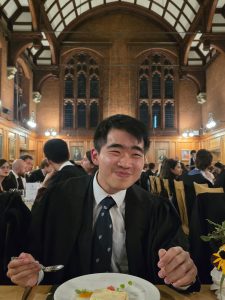
Chevening scholar Aaron Chin shares how it’s helping him to make a positive impact.
‘I chose to pursue an MPhil in Energy Technologies at the University of Cambridge because I realised that energy is the invisible thread connecting the world’s most pressing challenges—climate change, social equity, artificial intelligence, and even global diplomacy. Every discussion about progress eventually comes back to energy, and I wanted to be at the heart of that dialogue.
‘At Cambridge, it’s often said that the best learning happens not in lectures but in conversations… and I’ve found that to be true. Some of my most inspiring moments happen at formal dinners, where scholars from every discipline and every corner of the globe gather under one roof.
‘This experience is teaching me more than science; it’s teaching me how decisions are made—by governments, businesses, and individuals… With this holistic perspective, I aim to help shape a sustainable and equitable energy future for Southeast Asia, navigating the complex socio-political and techno-economic landscape to drive real impact.’
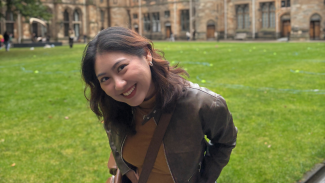
Delivered by experts from the Centre for Renewable Energy Systems Technology (CREST), the UK’s largest sustainable energy engineering research centre, this one-year Loughborough University course provides students with the tools they need for an effective career in the global renewable energy sector. It covers a range of renewable energy and supporting technologies, including solar, wind, and biomass, with an emphasis on integration into electricity networks in both developed and developing countries.
Chevening scholar Margaret Yainkain Mansaray tells us more about why she chose this course.
‘As a young girl, I fell in love with nature long before I knew the term “renewable energy”. I was drawn to the warmth of the sun, the strength of the wind, and the life that surrounds us. Over time, that connection grew into a clear sense of purpose. With the support of the Chevening Scholarship, I chose to pursue an MSc in Renewable Energy Systems Technology at Loughborough University because of its strong global reputation and practical, system-based approach to sustainable energy.
‘What I enjoy most about the course is how it connects theory to real-world challenges through hands-on learning and collaborative problem-solving. Alongside my studies, I remain actively involved with Women in Energy Sierra Leone as the Founder and CEO, where we work to expand access to clean, reliable energy and products, while empowering women to participate meaningfully in the energy sector.
‘This programme is equipping me with the technical and leadership skills needed to drive inclusive energy solutions and contribute to climate action and sustainable development.’
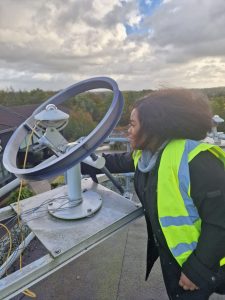
The University of Bradford’s MSc in Renewable and Sustainable Energy was designed to train future engineers to lead the global energy transformation by addressing critical challenges related to climate change, clean growth, and sustainability. This one-year programme focuses on providing students with the knowledge and tools they need to solve real-world challenges relating to renewable and sustainable energy technologies.
Chevening scholar Kayan Pokanau tells us more.
‘I chose to pursue a Master’s in Renewable and Sustainable Energy because accelerating renewable energy is central to limiting global warming to 1.5°C rather than 2°C, where the impacts on human health, food security, water systems, and sea levels become far more severe. Coming from Papua New Guinea, often described as the world’s last frontier, climate change is not abstract; rising seas and environmental degradation are already visible.
‘The University of Bradford stood out for its focused, supportive academic environment and a cost of living that makes concentrated study realistic. What I value most is the strong emphasis on energy modelling and forecasting. Understanding future energy demand and emissions is critical for informing policy, legislation, and strategic planning.
‘The course has also sharpened my engagement with global energy issues; energy truly is the new currency shaping our world. It’s also equipping me to influence policy, advocate for renewable energy adoption, and protect livelihoods that depend on land and sea, both at home and beyond.’
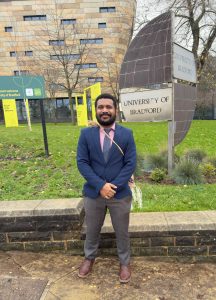
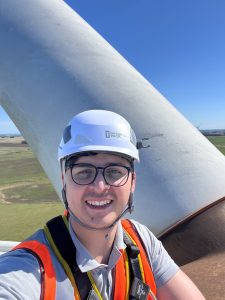
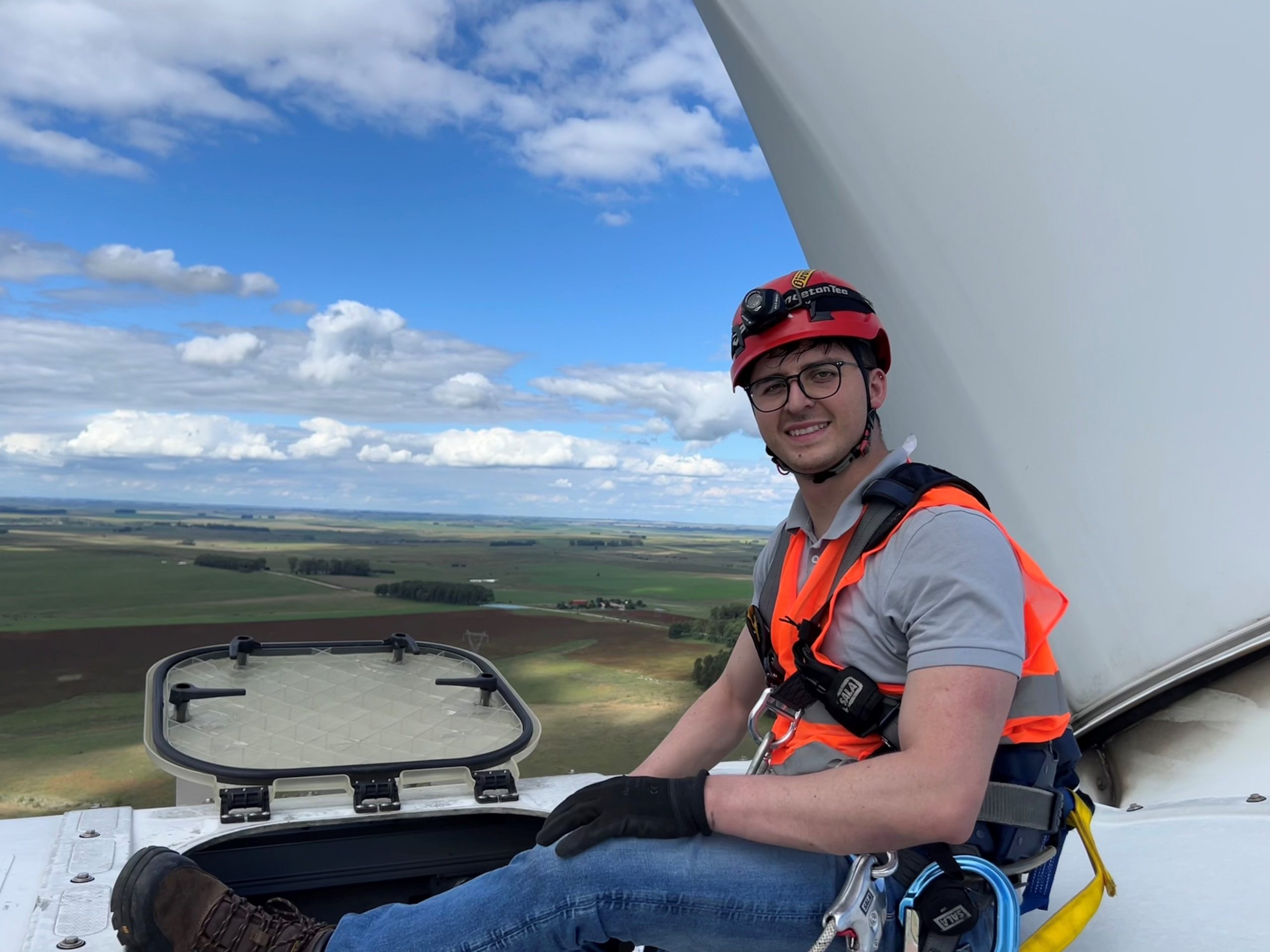
This MSc from the University of Strathclyde provides students with the knowledge and skills they need to lead the transition to a low-carbon economy. Throughout the course, students explore the environmental, ethical, and socio-economic impacts of decarbonisation technologies and develop skills to evaluate and communicate the sustainability of energy projects.
Chevening scholar Santiago Cubillos shares how it’s helping him to make a positive impact.
‘I chose Strathclyde because it offers a balance between technical knowledge, management thinking, and regulatory understanding. That combination is critical for making high-impact decisions in future renewable energy developments in my country.
‘Strathclyde has a strong track record in renewable energy, particularly in wind power, which aligns with challenges and opportunities in Colombia, where wind energy has significant untapped potential. Studying here allows me to develop a strategic leadership mindset required to translate knowledge into action. This MSc is not just about understanding technologies; it is learning how to take the responsibility for leading energy transition.
‘The course provides me with a clear understanding of where the energy sector is heading and which challenges the industry is facing today. This perspective allows me to anticipate, rather than react, to the obstacles I will face when contributing to the energy transition in my country. Moreover, the staff and my international cohort remain as a strong network for future collaboration and synergies once I get back to Colombia.
‘By combining my work experience with the program learnings, I will become a senior engineer for which I intend to guide the next generation of engineers through mentoring, consulting, and the development of new initiatives that foster sustainable deployment in Colombia.’