Chevening lessons for first-generation leaders
Your first mentorship relationship will not be flawless or perfectly planned. It begins with one brave act: reaching out.
'This placement challenged me, inspired, and shaped how I approach journalism going forward.'
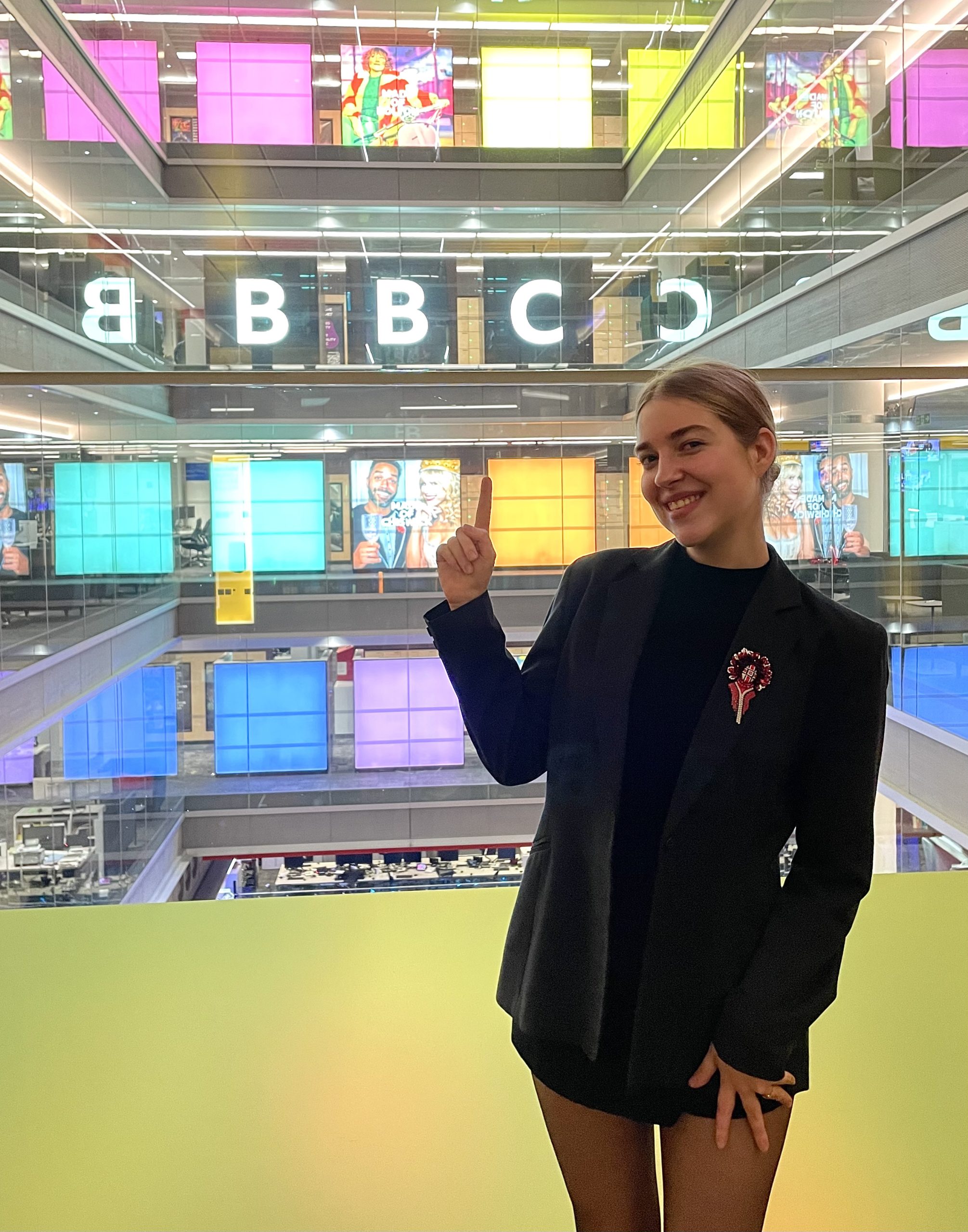
The Chevening/BBC World Service placement is a unique opportunity to take your career in journalism to the next level and gain valuable insights into the BBC. We spoke to Chevening scholar, Natalia Makohon, who recently completed her internship with the BBC’s What in the World team.
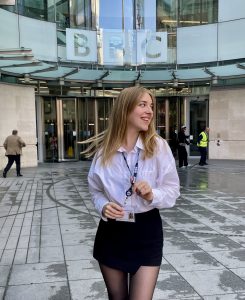
I spent three months with the What in the World team, and from day one I could feel that the people at the BBC truly wanted me to succeed. I was always encouraged to pitch ideas, take initiative, and learn quickly.
I worked in a huge global newsroom under real time pressure every day. Speed matters. Ideas matter. Accuracy matters even more. I learned to triple-check everything before publishing – subtitles, phrasing, visuals, sources, etc. There’s no shortcut around precision. 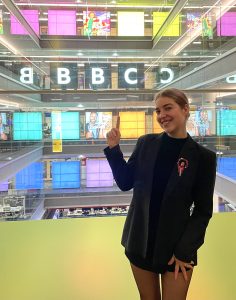
I worked on the daily news podcast What in the World, targeting the Gen Z audience. With my background in podcasting from Japan, it felt like the ideal environment for me. The pace was fast and demanding, and I absolutely loved it!
I was involved in all stages of production: pitching ideas, running social media, interviewing and booking guests across the world, writing scripts, editing episodes, and handling post-production, often under tight deadlines.
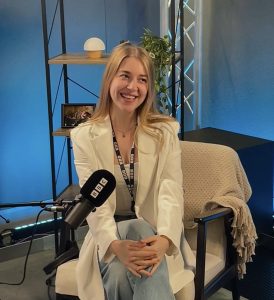
I also had the opportunity to support other departments with translation and voiceovers, which showed me how this huge organisation could operate as one team. Every day was a masterclass in multitasking, collaboration, and creative problem-solving.
The piece I’m most proud of is an episode on education during the war in Ukraine. When I started this placement, my main goal was to get a Ukraine-related story published. I began by bringing Ukrainian guests onto the podcast and ended up producing a full episode.
For example, making a story about sumo, I managed to secure an interview with a famous Ukrainian wrestler living in Japan. It wasn’t easy – juggling time zones, getting official letters from the sumo federation, and using Japanese to communicate with everyone who helped me reach him. But all the effort paid off, and we brought this piece to life.
In addition, I ran What in the World’s COP30 coverage for two weeks, producing extra content and appearing on camera with explainers. There’s a specific moment when everything is moving fast, you’re busy, slightly exhausted, and you can see real results. That’s when I feel most alive.
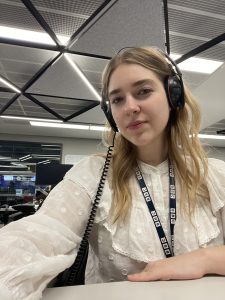
I saw the BBC’s approach to storytelling – clarity, compassion, and fearless global reporting. It showed me how quality, accuracy, and integrity make journalism powerful, and how much responsibility comes with that.
This experience equipped me to continue telling human-interest stories with fairness, balance, and courage, helping people better understand each other across borders. This placement challenged me, inspired, and shaped how I approach journalism going forward. I grew professionally, built meaningful connections, and not just observed the BBC’s storytelling from the inside but became a part of it.
I feel it has been a successful collaboration and a strong fit with my department. It was a transformative and unforgettable experience that will stay with me forever.
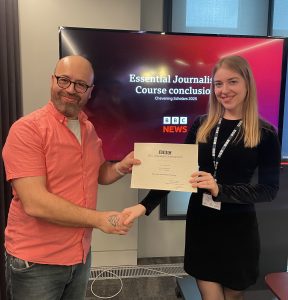
Your first mentorship relationship will not be flawless or perfectly planned. It begins with one brave act: reaching out.
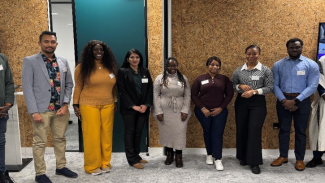
As they return home, these scholars are ready to lead efforts towards cleaner, more inclusive energy systems.
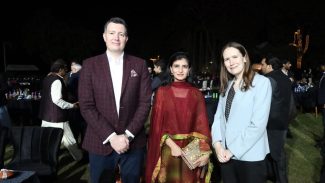
‘Believe in the power of your voice, your strengths, and your ideas. You can make positive change with small steps that lead to a bigger impact.'