Chevening events are inspiring scholars to build a fairer world
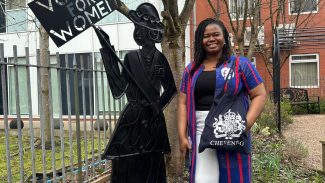
To celebrate Women's History Month, Chevening scholars visited the Pankhurst Museum. For Nancy Yeri, the event deepened her passion for an equitable, fair world for women.
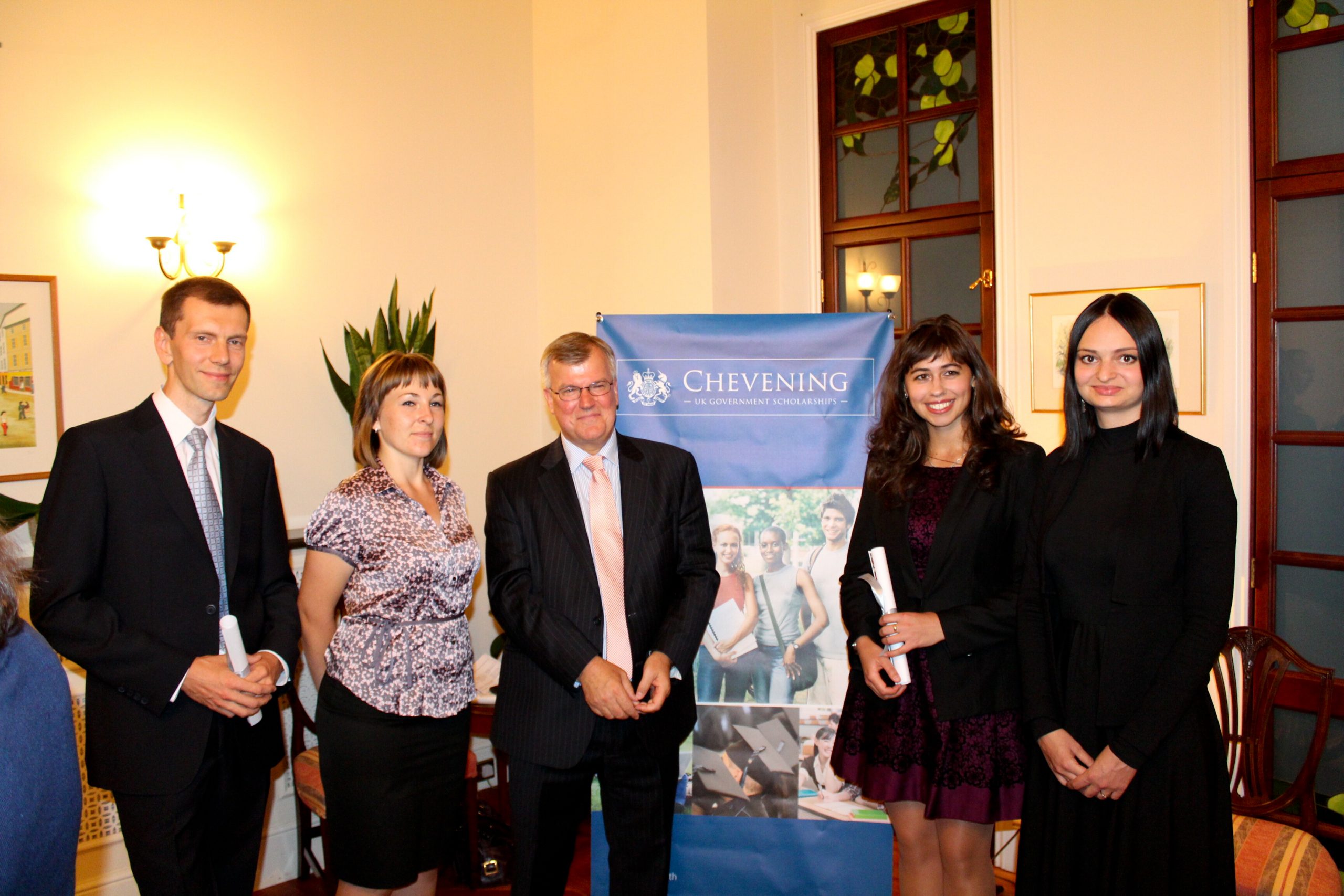
Olesia Kompaniiets returned to Ukraine after her Chevening Scholarship during a critical period of conflict and reform. Over the past decade, she has used her UK education and connections to strengthen Ukraine’s resilience, support governance reform, and advance Ukraine's ambitions to join NATO. We find out more.
‘I would do so many things to go back to that year. That was a life-transforming experience and one of the best experiences I’ve ever had.’
Olesia returned to Ukraine in 2015, at a time when the country was under immense strain. Over the decade that followed, she has used her UK education and networks to help strengthen Ukraine’s institutions, support NATO-aligned reform, and build long-term partnerships between the UK and Ukraine.
After returning home, Olesia first worked at the British Council in Ukraine, leading programmes that connected UK universities with Ukrainian institutions navigating reform and conflict. Thirty universities across Ukraine, including displaced universities from the east, took part in leadership development and academic integrity programmes. This work helped universities to build long-term partnerships with UK institutions, strengthen academic integrity, attract funding from other countries, and modernise leadership culture.
‘This is where I blossomed. I felt respected, supported, included, and appreciated. This is where I started bridging UK experience with Ukrainian needs.’
Olesia later joined NATO’s office in Ukraine, where she worked on professional development for government officials responsible for Euro-Atlantic integration. Her work helped strengthen the capacity of Ukrainian institutions to align with NATO standards and operate more effectively in complex, conflict-affected conditions.
With support from the British Embassy, she engaged with the UK Foreign, Commonwealth and Development Office’s Government Partnerships International team to support governance reform. The programme supported 56 defence and security agencies and contributed to Ukraine’s alignment with NATO standards. Olesia also helped grow the programme from a single UK donor into a multi-donor platform, expanding its reach and multiplying the impact of UK technical leadership in Ukraine.
‘We did a lot of capacity development. I convinced them to pilot new approaches, and that work has continued.’
For more than ten years after graduating, Olesia has remained closely connected to the UK and the British Embassy.
‘That connection comes from genuine appreciation and gratitude. Whenever I reach out to UK partners, I am taken seriously. I feel heard, seen, and supported.’
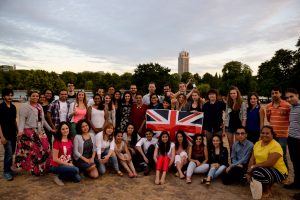
Today, Olesia runs a Ukrainian NGO with a fellow Chevening alumna, and they have secured Chevening Alumni Programme Fund (CAPF) funding for a project called BASE (Behavioural Approach to Social Empowerment). The project brings UK behavioural science expertise directly to Ukrainian government officials and civil society practitioners working on recovery and social protection. The aim is to build a community of practitioners who apply UK-informed behavioural approaches to improve the quality of policies, programmes, and public services.
‘The idea is to help create a society that is open to change and opportunity. During the post-war reconstruction, we will face tension and friction across different identities. I want to help create a society that sees difference as an opportunity. UK approaches help us move from blame to solutions.’
Olesia first applied for Chevening in 2012 but was unsuccessful. After exploring other options, she realised Chevening was the right fit and applied again.
‘I loved that Chevening trusted scholars to choose their own path. No one told me where to apply. That freedom changed everything.’
She went on to study for a Master’s in International Relations at University College London, specialising in national security and gaining insight into the UK’s approach to policymaking.
‘I like the UK’s approach to governance and policy making. The more I asked, the more discussions continued. People appreciated engaging conversations. Challenges were seen as opportunities, not stumbling blocks.’
For Olesia, Chevening’s impact has shaped not only her career, but how she works with people, institutions, and change.
‘Thanks to Chevening, I was exposed not only to the UK, but to the whole world. When you talk to someone from a different culture, you open a window to a bigger world. Those friendships gave me the fuel and desire to change things… It was the best thing about being a Chevening scholar.’
Through long-term partnerships with UK government, academia and civil society, Olesia continues to use her UK connections to deliver practical reform in Ukraine.
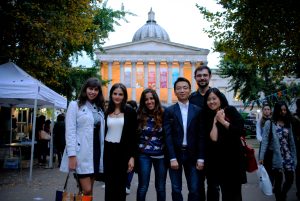
To celebrate Women's History Month, Chevening scholars visited the Pankhurst Museum. For Nancy Yeri, the event deepened her passion for an equitable, fair world for women.
‘Chevening gave me more than policy knowledge. It gave me confidence, cultural awareness, and the ability to operate in complex environments without losing perspective.’
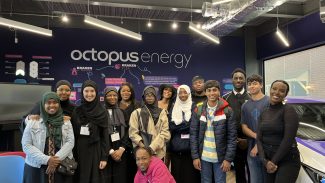
‘Climate change is the defining challenge of our generation. Solving it requires innovation at a scale we've never seen before. That innovation won't come from one country, one university, or one type of expertise. It will come from collaboration across borders, cultures, and disciplines.’