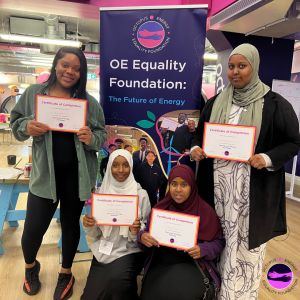
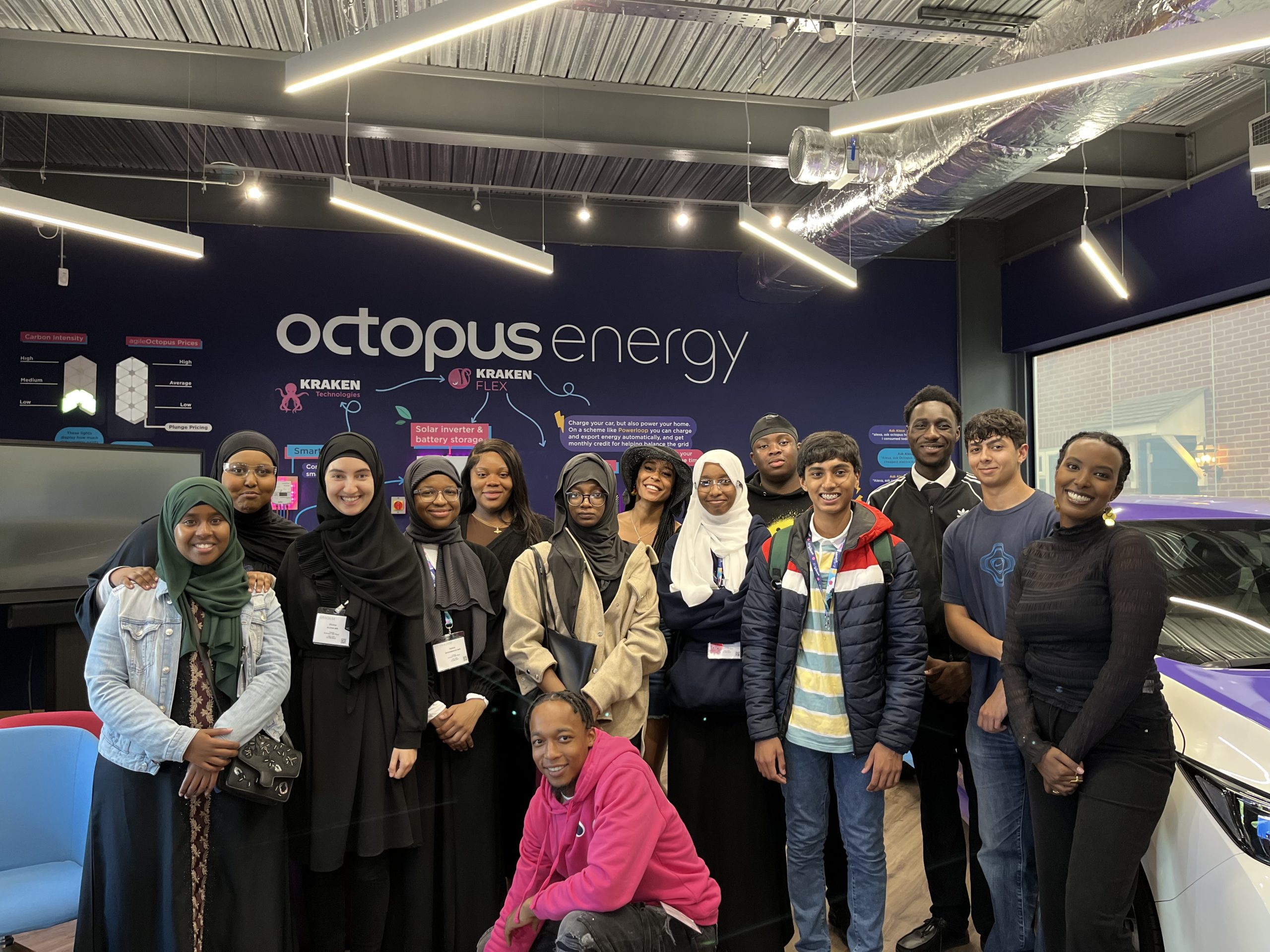
 We hear from the co-founder of the Octopus Energy Equality Foundation, Samsam Farah, about how Chevening scholars and alumni can build an impactful career in climate change.
When I joined Octopus Energy in 2018, it was a startup with big ambitions. I had hesitated to apply for a role, as I felt that green energy was a space reserved for people with traditional STEM backgrounds or those who followed linear, green career paths. I studied law, worked in sales, operations and marketing, and somehow found myself at what would become one of the fastest-growing renewable energy companies in the world.
Today, as co-founder of the Octopus Energy Equality Foundation working from Nairobi, Kenya, I see the misconception that green energy careers belong to someone with the ‘right’ degree or background holding back talented people everywhere.
The renewable energy sector is experiencing explosive growth. In the next decade, electric vehicles, heat pumps, and net-zero smart homes will reach every corner of the planet.
Global problems need global solutions
 You can’t solve a global crisis with regional solutions. Yet the majority of global climate finance still flows to the Global North. Africa, home to 60% of the world’s best solar resources, receives less than 3% of global renewable energy investment. Latin America, and large parts of the Global South face similar gaps.
The communities experiencing the worst impacts of climate change must lead the transition rather than waiting for it to arrive. That means capital, talent, expertise, and decision-making power flowing in new directions.
Career changers are climate changers
Some of the most effective people I work with came from hospitality, teaching, finance, and community organising. One colleague spent years in retail management before transitioning into operations for our wind farm investments. Her ability to manage complex logistics and diverse teams directly translated into a role in green energy. Another came from social work and now leads community engagement for renewable projects, ensuring local voices shape development from the start.
The transition isn’t always obvious, but it’s possible. Apprenticeships, graduate schemes and skills-based hiring are opening doors. Many roles in renewable energy don’t require green degrees. Project managers, policy advisors, communications specialists, finance analysts and community liaisons are all critical to making green energy work.
There isn’t one way in
If you’re considering moving into green energy, start where you are. Identify your transferable skills: leadership, analysis, relationship-building, problem-solving. Seek out mentorship from people already in the industry. Many organisations, including ours, actively support career changers and graduates through training programmes and entry-level opportunities designed for diverse talent.
Look beyond the obvious companies. Local councils, NGOs, startups and international development organisations all work on energy transition. There are hundreds of different careers available in green energy, from technical roles to policy, finance, community development, training, advocacy, and beyond.
What matters most is understanding that tackling climate change will take all of us working together globally. We need to invest in technology and infrastructure, and most importantly, people.
If you’re reading this as a Chevening alumnus, you already have global experience and cross-cultural fluency that most people spend years trying to develop. You’ve navigated different systems and built nuanced relationships across contexts. Your perspective matters; it’s why you belong here – to help create a fairer, greener world for everyone, everywhere.