The Chevening Alumni Association Philippines have been using the knowledge, networks, and perspectives gained through their Chevening Scholarships to become a springboard for action on one of the country’s most challenging public health and human rights issues.
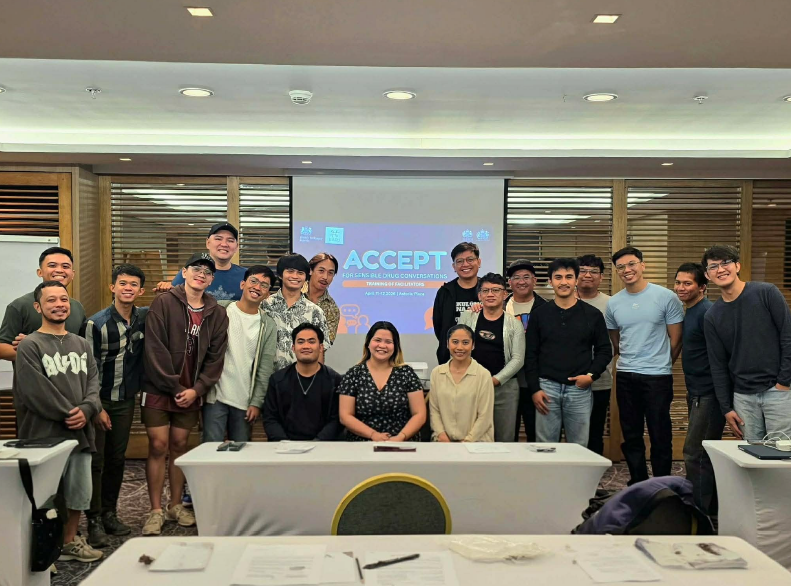
Led by Dr Raymond John Naguit and five fellow Chevening alumni with backgrounds in medicine, law, public health, and governance, Project ACCEPT (Accessible, Comprehensive, Community-driven, Evidence-informed, Practical, and Transformative) set out to change how drug education is understood and delivered in the Philippines.
Supported by the Chevening Alumni Programme Fund (CAPF), the project sought to move conversations about substance use away from fear, stigma, and punishment and towards public health, human rights, and harm reduction.
‘For too long, drug education has relied on fear. The ACCEPT modules prove that when we empower communities with evidence and empathy, we don’t just reduce stigma—we create community.’
Putting communities at the centre
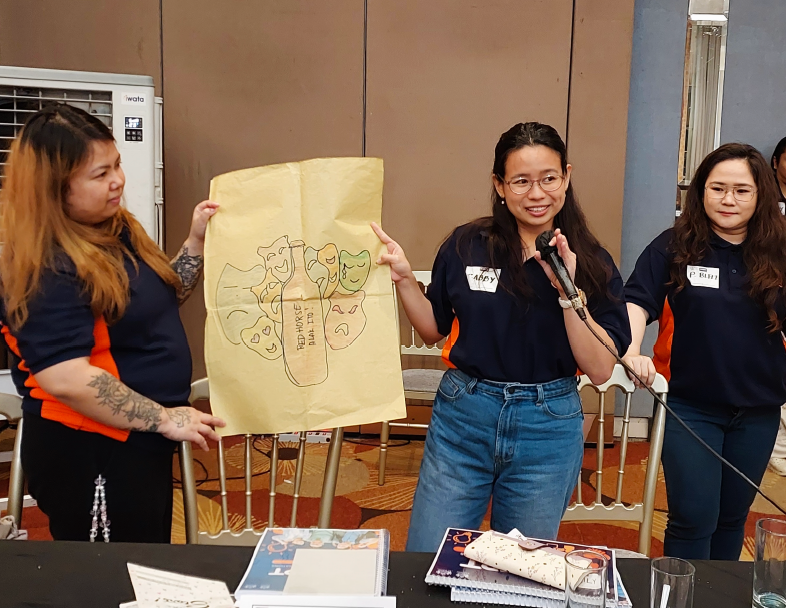
Project ACCEPT was designed with communities, rather than simply for them. Consultations and focus group discussions brought together people who use drugs, people living with HIV, peer educators, healthcare workers, civil society organisations, and government and local government represetatives.
Their experiences shaped the ACCEPT Drug Education Modules, which address issues including mental health and substance use, the rights of people who use drugs, overdose prevention, HIV and co-infections, chemsex, and gender-responsive care.
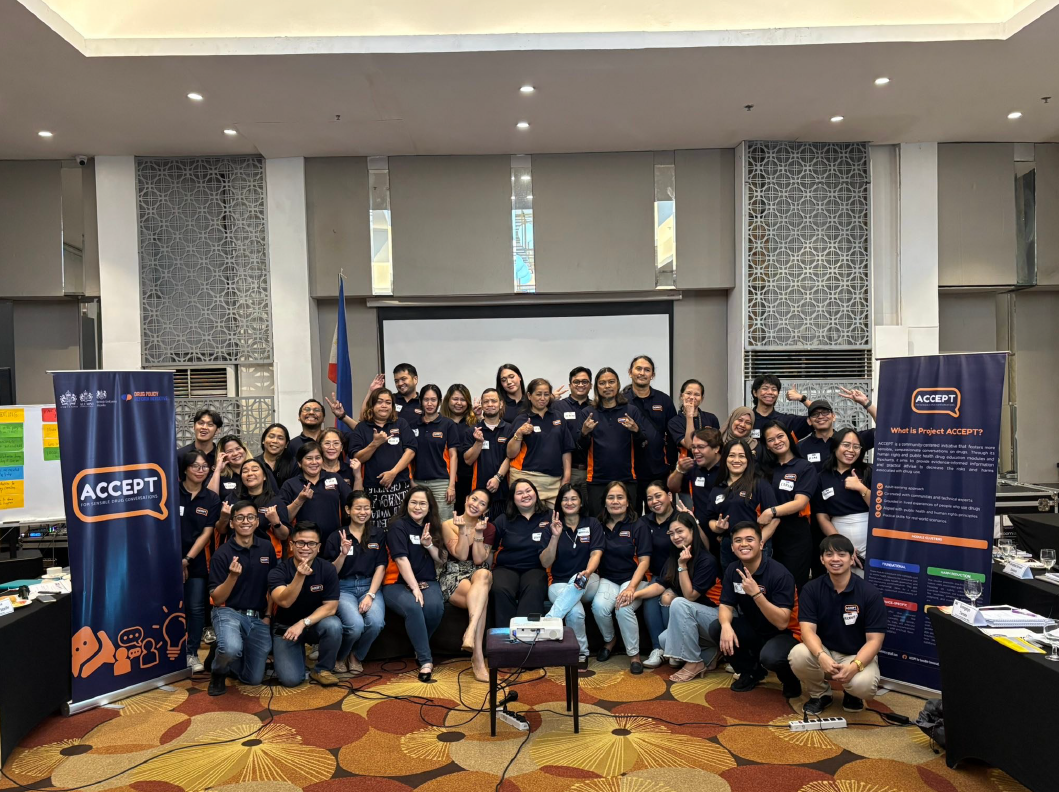
A Module Development Writeshop at the Commission on Human Rights brought technical experts, lawyers, healthcare providers, peer educators and community representatives together to regine the materials. This was followed by facilitator training, equipping community organisations and frontline workers with practical skills in safe-space building, confidentiality, harm reduction, and non-judgemental communication.
The result was one of the first community-driven, harm reduction-based drug education module sets in the Philippines.
Building a network for lasting change
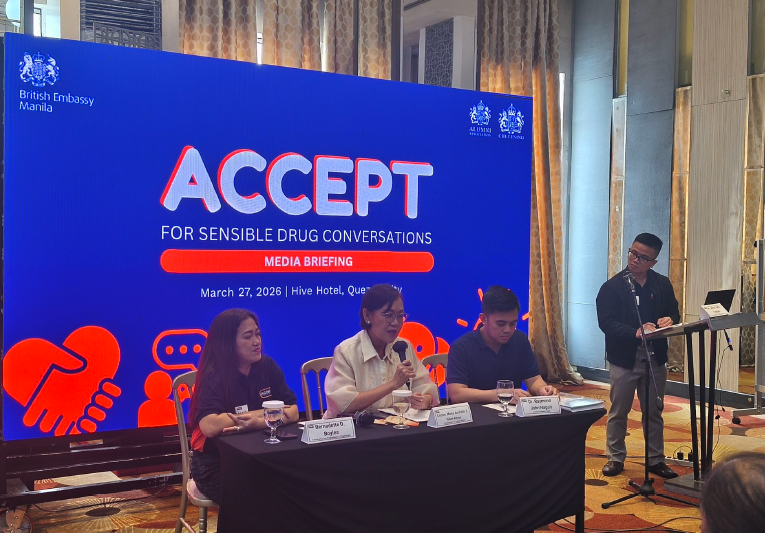
The impact of Project ACCEPT extended beyond the initial pilot. The initiative established the ACCEPT Drug Education Network and a Technical Working Group to support continued implementation and advocacy.
Partnerships with organisations including the Commission on Human Rights and The HIV and AIDS Support House strengthened the project’s reach and credibility. Additional partner funding helped support facilitator training and continued community delivery.
Participants reported that the modules felt different from traditional drug education: practical, collaborative, and grounded in dignity and lived experience. For people who use drugs and people living with HIV, the project created safer spaces to discuss substance use, mental health, stigma, and access to services without fear of judgement or criminilisation.
Making a difference with Chevening
Project ACCEPT demonstrates how the Chevening programme can extend beyond a year in the UK.
‘The opportunity provided by CAPF really catalyzed our work in pushing for a more public health and human rights-oriented drug policy in the Philippines.’
Chevening alumni led the project as experts, mentors and advocates, bringing together the British Embassy, civil society organisations and public institutions to turn their knowledge and networks into action.
The team hopes to build on this foundation in the years ahead, demonstrating the lasting potential of Chevening and its alumni network to contribute to positive change in communities across the Philippines.